Architecture design
A right-sized stack for your workload: web, API, database, queue and cache, without needless complexity.

0
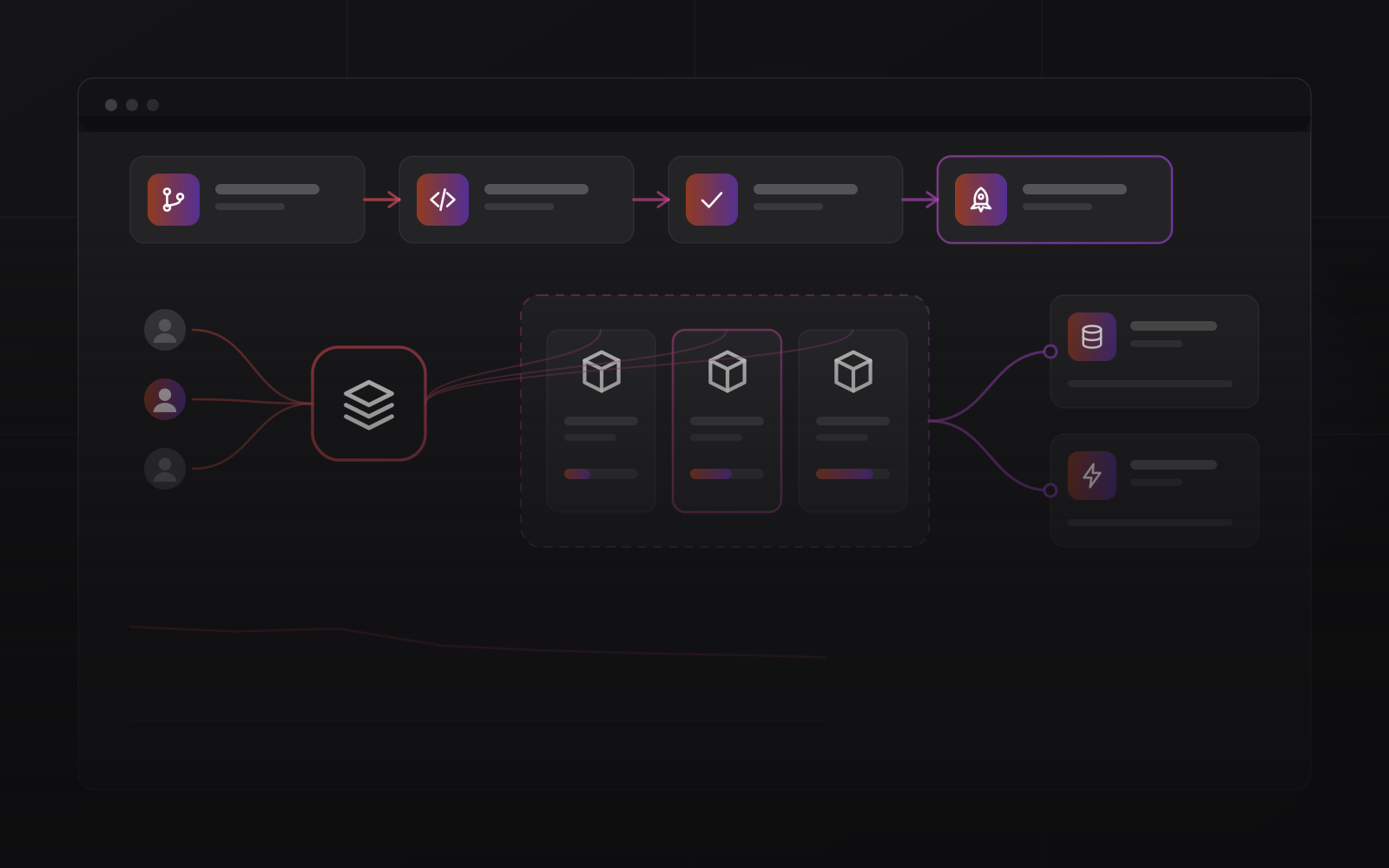
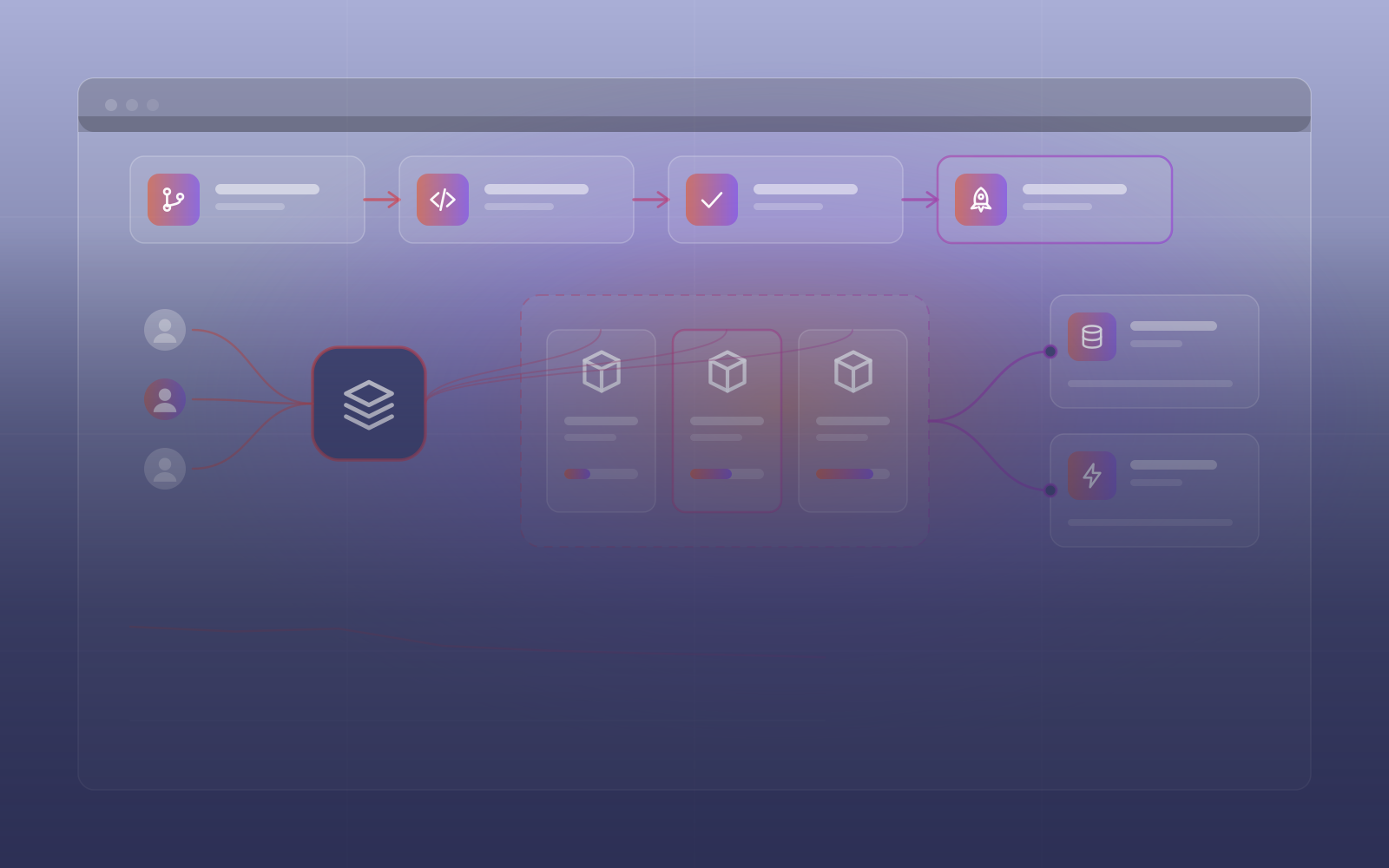
Managed cloud hosting
Managed cloud hosting for businesses that need more than shared hosting but less than a platform team: architecture, migration, deployment pipelines and daily operations on the provider you choose. Infrastructure is billed at cost, with one flat monthly management fee.
Architecture matched to your actual load. Most small and mid-size businesses do not need Kubernetes.
Migrations are rehearsed on staging, cut over in a quiet window and ready to roll back.
Infrastructure at cost plus one monthly management fee. No per-seat charges.
Our approach
We design for the simplest setup that handles your real load with room to grow, not the most impressive diagram. Right-sized today, scalable when the numbers say so, and owned by you.
The difference
Hyperscaler documentation assumes a platform engineering team. The default path leads to oversized instances, vendor lock-in and a bill that grows faster than traffic. Advice like "just use Kubernetes" sounds wise and costs a lot to operate.
Managed cloud hosting from us starts with measurement. We look at your traffic, your stack and your bill. Then we design the simplest layout that fits: the right instance sizes, a cache where it helps, a deployment pipeline and monitoring. It is documented, operated and revisited when load changes.
Need only part of this? Managed web hosting covers sites and apps on a single server, and Linux server management covers the machines themselves. For recovery planning, read our backup and disaster recovery guide.
What cloud management covers
A right-sized stack for your workload: web, API, database, queue and cache, without needless complexity.
Rehearsed on staging, cut over in a low-traffic window, with a rollback prepared before anything moves.
Build, test and deploy automated from git, with a rollback path.
Capacity added when measured load needs it, from a bigger instance to more replicas behind a load balancer.
Right-sizing reviews and spend alerts, so the bill follows the business.
Patching, monitoring, capacity reviews and architecture updates as the business changes.
Services
Included as standard.
Your current or proposed stack assessed against real load before any provisioning.
Staging, rehearsal, cutover, confirmation and decommissioning, written before migration day.
A pipeline from git to production: merge, build, test and deploy.
Budget alerts and regular right-sizing reviews, so the bill never surprises you.
Scaling
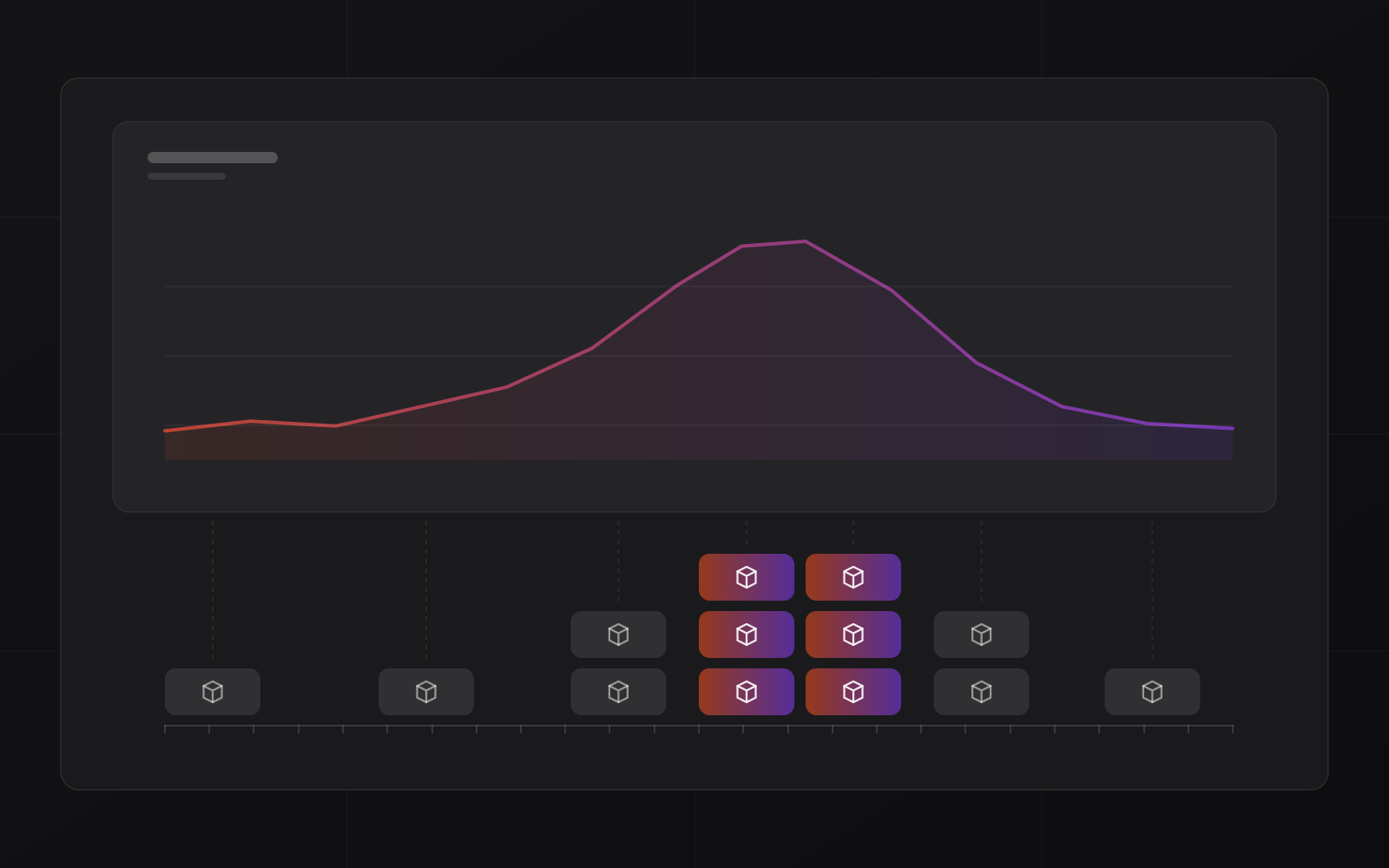
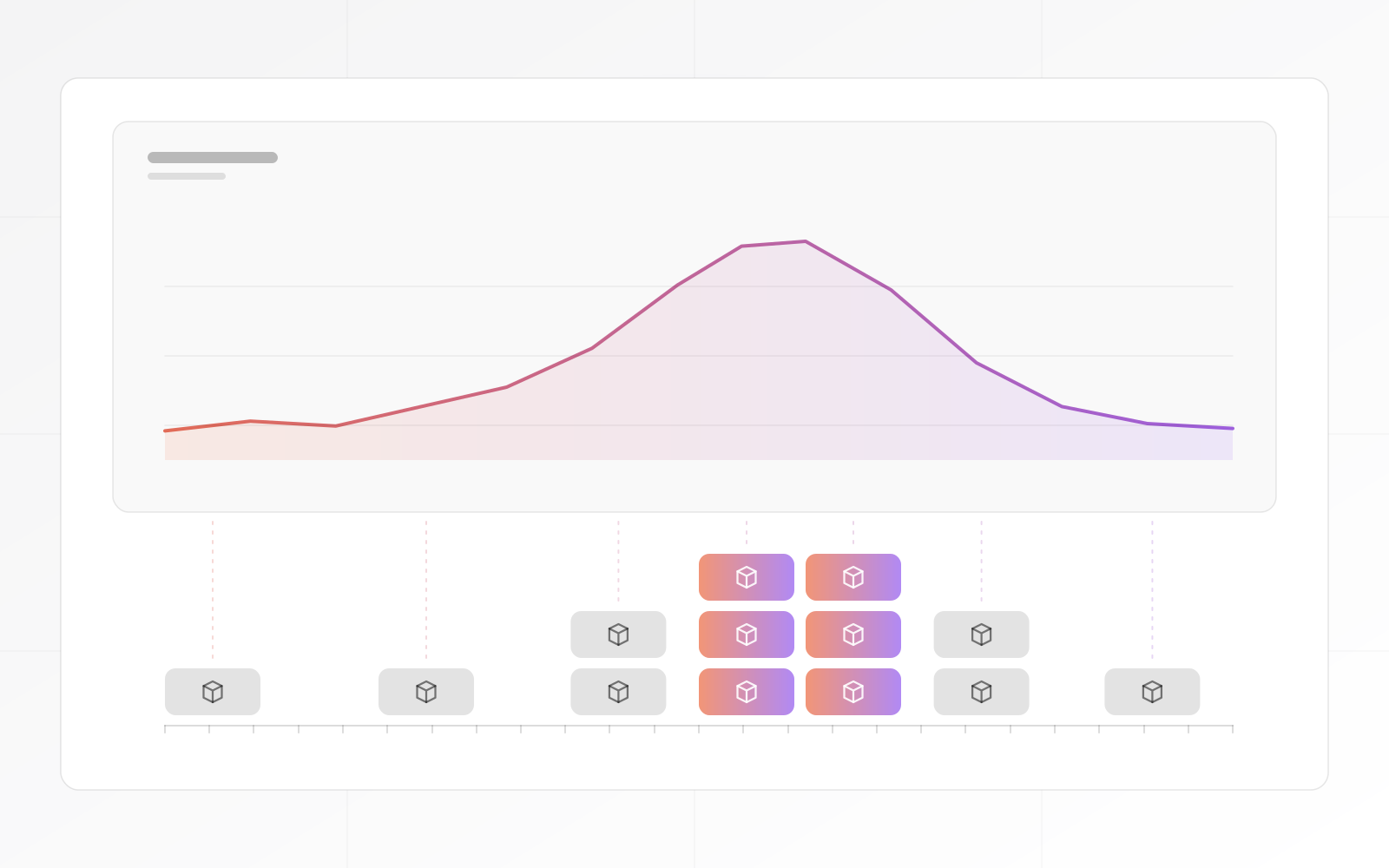
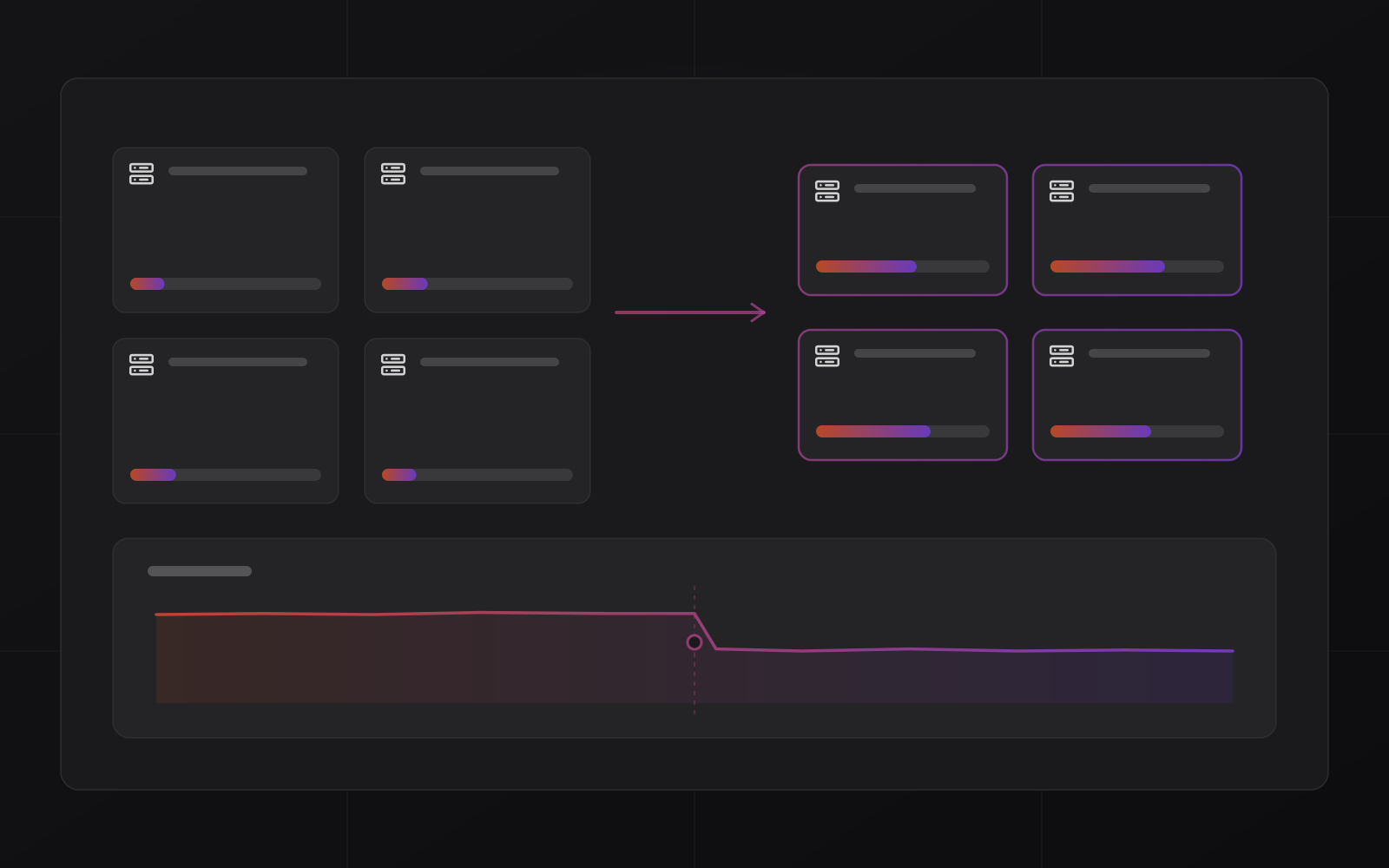
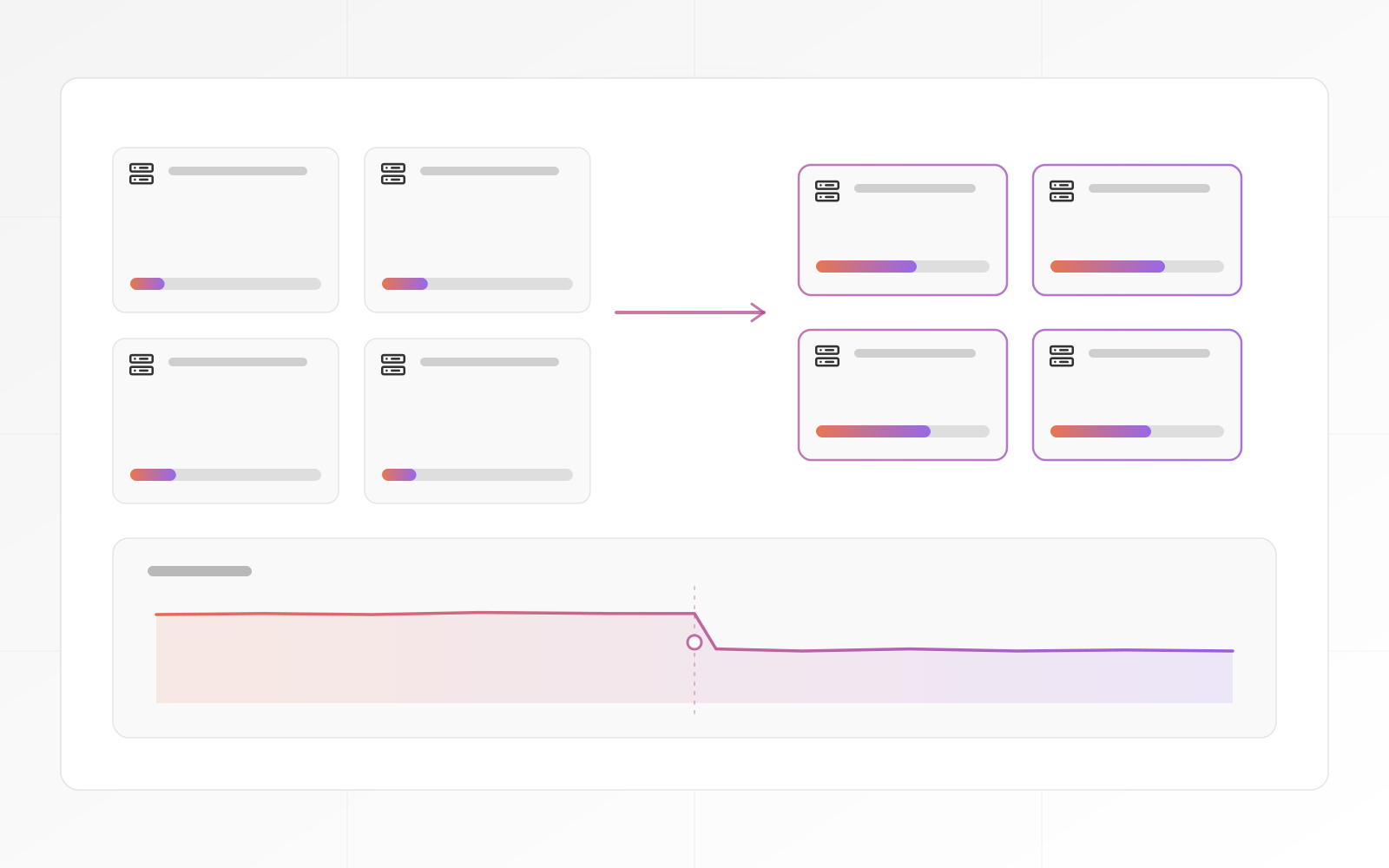
Measure first, then scale. A small app may only need a bigger instance. A busy one may need several replicas behind a load balancer. We set thresholds from your own traffic data and scale back down when the peak passes.
Cost control
Many setups run on instances sized years ago. We measure utilisation, right-size what is oversized and set spend alerts. You see the data before we change anything.
Process
The cloud management playbook, step by step.
We review your infrastructure, traffic patterns, dependencies and cost, then document a recommendation.
A right-sized stack is designed: instances, caching, database, CDN and pipeline. The provider is chosen with you.
The migration runs on a staging copy. The cutover is timed and the rollback path is confirmed.
DNS switches in a low-traffic window. Old infrastructure stays available until the new one is confirmed.
Monitoring and spend alerts go live, with regular right-sizing reviews.
Handover
Each quote lists these items, with a timeline and a payment schedule.
Clients
Compare
Matched to actual load, managed and not rented blind.
| What matters | Right-sized managed cloud | Hyperscaler, DIY | Premature Kubernetes |
|---|---|---|---|
| Architecture matched to load | Yes, measured first | Often oversized | Built for scale you may not have |
| Migration | Rehearsed, with rollback | You plan it | You plan it |
| Bill | Predictable and reviewed | Grows with usage | Cluster cost plus engineers |
| Lock-in | Provider-agnostic | Tied to vendor services | Portable, but complex |
| Team needed on your side | None | Platform engineers help | Platform engineers required |
From founders and teams.
Words from clients, as they wrote them:
"As a startup, we needed a reliable partner for our online presence. The web design, programming, and hosting services we received were outstanding. MrZaKaRiA played a crucial role in our success. We couldn’t be happier!"

"We’ve been using MrZaKaRiA hosting services for over a 4 year now, and the uptime is fantastic. Our website loads quickly, and we’ve experienced no downtime. Their customer service is responsive and helpful whenever we have questions."

FAQ
What teams ask before a migration.
It is cloud or VPS infrastructure that a team designs, deploys, monitors, backs up and maintains for you, so you get the capacity without hiring a platform team. Ours covers architecture, migration, pipelines, monitoring and day-to-day operations.
We aim for minutes, not hours. The migration is rehearsed on a staging copy, the DNS switch is planned for a quiet window and a rollback path is ready. We state the expected downtime in the plan.
We are provider-agnostic. We choose with you based on latency, data rules and cost, and we have no vendor deal that biases the advice.
Almost certainly not yet. Most small and mid-size businesses are better served by well-run servers with Docker Compose and a load balancer. We add complexity only when a measured constraint demands it.
Infrastructure such as servers, domains and mailboxes is billed at cost. The management part is one flat monthly fee scoped to your stack. There are no per-seat fees and no surprise overages.
Next step
Book a call. We review your setup and your bill, recommend the simplest layout that works, then quote it and start within 3 to 5 business days.